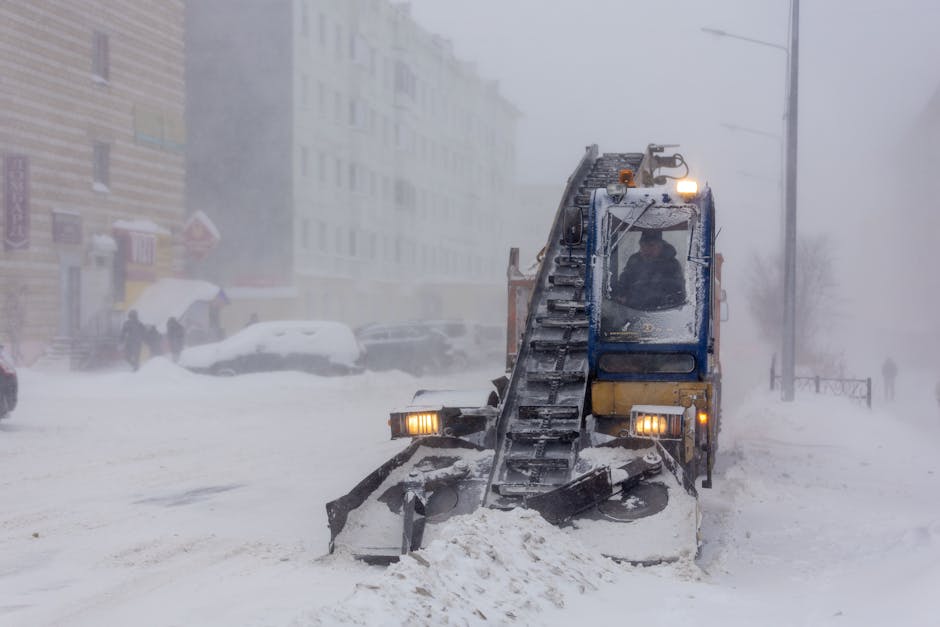
Lewisham winter removals 2026: avoid delays and cold weather tips
Winter moving season in London can be a bit unforgiving. One minute the road is clear, the next you are dealing with damp boxes, early darkness, a slippery pavement, and traffic that seems to have decided not to move at all. If you are planning Lewisham winter removals 2026, the smart approach is not just to book a van and hope for the best. It is to plan for delays, protect your belongings from the cold, and keep the day calm enough that everyone can actually breathe.
This guide brings together the practical side of moving in colder months: how to avoid hold-ups, what to pack differently, how to keep furniture and fragile items safe, and when it makes sense to choose help such as removals, man and van, or house removals. The goal is simple: fewer surprises, less stress, and a move that still feels manageable even when the temperature does its worst.
Why Lewisham winter removals 2026 avoid delays and cold weather tips Matters
Winter moves are different from summer moves in ways people often underestimate. In Lewisham, the combination of busy local roads, residential parking pressure, limited daylight, and cold weather can turn a tidy relocation into a long day if the basics are not sorted. And let's be honest, nobody enjoys carrying a wardrobe through a dark, damp stairwell at 4pm while trying not to scuff a wall.
The main reason this matters is simple: delays get more expensive and more tiring in winter. Traffic queues can be slower, loading takes longer when surfaces are wet or icy, and fragile items need more protection from condensation and temperature changes. Cardboard softens in rain. Hands go numb. Batteries drain faster. Small stuff, but it adds up.
Winter also magnifies planning mistakes. If your move starts late, daylight disappears quickly. If the route is awkward, a five-minute delay can become thirty. If boxes are not sealed properly, moisture sneaks in. The difference between a smooth winter move and a stressful one is often less about brute force and more about foresight.
Expert summary: The best winter removals are not the fastest on paper; they are the ones that build in margin for weather, traffic, and loading time. A bit of slack in the schedule saves a surprising amount of hassle later.
How Lewisham winter removals 2026 avoid delays and cold weather tips Works
A winter move works best when every stage is planned with colder conditions in mind. That starts before moving day. You want to confirm access, parking, lifting points, box protection, and timing early enough that you are not making decisions while the kettle is boiling and the van is already outside. Been there, seen that, not ideal.
In practical terms, winter move planning usually follows a pattern:
- Pre-book and confirm the schedule so you are not forced into a last-minute slot.
- Check access at both properties, including stairs, lifts, entry codes, and where the vehicle can stop.
- Pack for cold and damp conditions by using stronger boxes, moisture protection, and clear labelling.
- Keep essentials separate so coats, boots, paperwork, chargers, and basic cleaning items are easy to reach.
- Load in the right order so the most weather-sensitive items are protected and the unloading is efficient.
- Allow for time buffers in case of traffic, icy footpaths, or a slower handover at either end.
In winter, the move is as much about sequence as it is about transport. If you are using packing and boxes support or packing and unpacking services, the process becomes easier because your items are organised for quicker loading and less exposure to the weather. That can make a real difference when the wind is biting and the sky looks like it may rain any minute.
Key Benefits and Practical Advantages
There are a few clear advantages to planning winter removals properly, especially in a busy London area like Lewisham.
- Less risk of weather damage to boxes, furniture, and soft furnishings.
- Better time control because delays are anticipated rather than discovered on the day.
- More comfortable handling for everyone involved, which helps reduce mistakes and strain.
- Cleaner unloads because floors, wraps, and mats are used properly instead of improvising later.
- Lower stress for families and businesses since the plan feels organised rather than reactive.
There is also a quieter benefit that people notice only afterwards: winter planning tends to make the whole move more disciplined. You label better. You decide sooner. You stop packing random odds and ends at midnight because you know the cut-off is real. That little bit of structure helps a lot.
If you are moving a flat, a family home, or even an office space, winter readiness can be the difference between a move that feels controlled and one that turns into a cold, chaotic shuffle. For bigger projects, office removals and commercial moves often need extra coordination because timing matters for staff, access, and equipment.
Who This Is For and When It Makes Sense
Not every move needs the same level of preparation, but winter planning is especially useful if any of these sound familiar:
- You are moving in December, January, or February and daylight will be limited.
- Your property has stairs, narrow hallways, or awkward loading access.
- You have fragile items, electronics, or wooden furniture that should not sit in the cold too long.
- You are coordinating a family move and need the day to stay predictable.
- You are handling a student move and want a cheap, fast option without last-minute drama.
- You are relocating a business and cannot afford avoidable downtime.
This is also relevant if you are choosing between a full-service team and a smaller vehicle-based option. For lighter loads or local moves, a man with a van or removal van can be a sensible fit. For larger houses or more complicated access, a moving truck or full removal services setup may be better.
Truth be told, if you are staring at a pile of boxes and wondering whether the move is bigger than you expected, that is usually a sign to choose the option that gives you breathing space.
Step-by-Step Guidance
Here is a straightforward way to prepare for a winter move in Lewisham without overcomplicating it.
1. Fix the moving date early
Winter moves are less forgiving when left late. Book as soon as you know the likely date so you have room for route planning and access checks. If your schedule is tight, ask whether same day removals are relevant, although that should be a backup plan rather than the first plan. Same-day work can solve urgent problems, but winter is not the best season to be winging it.
2. Check weather and daylight windows
You do not need a dramatic forecast obsession, but it helps to watch for rain, frost, or freezing temperatures in the day or two before the move. Start earlier if possible. A 9am start is often easier than a late one because you get more daylight and slightly less commuter pressure.
3. Pack with moisture in mind
Use strong boxes, line vulnerable ones, and avoid overfilling. Soft items should be sealed properly. Towels, bedding, and clothing can help cushion delicate items and also travel well in the cold. If you are moving books, paperwork, or electronics, do not leave them exposed on an open doorstep while you keep hunting for a key. Small delay, big risk.
4. Create a clear loading path
Clear the hallway, protect floors, and set aside a staging area near the door. In winter, people arrive with wet shoes, damp coats, and cold hands. That makes clutter more dangerous than usual. One loose box in the wrong place can slow everything down.
5. Prioritise temperature-sensitive items
Musical instruments, wooden furniture, ornaments, and electronics can all be affected by cold or damp conditions. If you need to move delicate equipment, a specialist option like piano removals is worth considering rather than assuming any vehicle will do.
6. Protect the property at both ends
Use mats, blankets, or temporary covers where needed. Winter mud and wet shoes create messy floors very quickly. If you are moving out of a flat, this matters even more because shared entrances can become slippery and awkward. In those cases, flat removals can be a practical match.
7. Keep an essentials bag with you
Pack kettle items, chargers, toiletries, medication, documents, and one change of clothes in a bag you can find instantly. That way the first evening in the new place does not become a scavenger hunt in the dark. It is a small thing, but it changes how the day feels.
Expert Tips for Better Results
These are the kinds of details that often separate a decent winter move from a really smooth one.
- Use double protection for fragile items. A box alone is not always enough in damp weather. Wrap, cushion, then box.
- Label sides as well as tops. In a cramped hall or van, boxes get stacked in awkward directions. Side labels save time.
- Reserve parking or confirm stopping space early. In busy parts of Lewisham, vehicle access can become the hidden bottleneck.
- Keep warm drinks handy. Not glamorous, but a flask can be a morale saver on a cold day.
- Do not overpack boxes. Heavy, wet, or overstuffed boxes are harder to lift safely and more likely to split.
- Bundle small items. Loose items seem minor until they are scattered across a doorway while the clock is ticking.
If you want to save time, a proper packing service can be worth it, especially for busy households. See packing and unpacking services if you want the sort of help that keeps the process orderly rather than frantic.
And here is a very human tip: if you have to choose between one extra box and one less unnecessary item, choose the item. Winter moves reward simplicity. Always have.
Common Mistakes to Avoid
Most winter moving problems are preventable. The tricky part is that the mistakes look small at the start.
- Starting too late in the day. Darkness makes everything slower and increases the chance of missed items.
- Using weak or damp boxes. They collapse when you need them most.
- Ignoring access problems. A narrow street, a controlled parking zone, or a shared entrance can change the whole plan.
- Leaving furniture unwrapped. Wet weather and wooden finishes are not a happy combination.
- Forgetting the post-move essentials. The first night matters more than people expect.
- Assuming all movers work the same way. They do not. Some are better suited to small local jobs, others to larger loads or complex schedules.
A surprisingly common one? People pack the kettle in the first wave of boxes. It sounds trivial until you arrive cold, tired, and surrounded by sealed cardboard. Not great. Keep tea-making gear easy to reach. You will thank yourself later.
Tools, Resources and Recommendations
You do not need a toolkit the size of a DIY warehouse. A few sensible items go a long way.
- Heavy-duty boxes for books, kitchenware, and mixed household items.
- Packing paper or bubble wrap for breakables and corners.
- Stretch wrap and blankets for furniture protection.
- Permanent marker pens for clear labelling.
- Floor covers or old sheets to protect entrances.
- Gloves with grip for colder handling conditions.
- Charged phone and power bank in case the day runs longer than planned.
For people who want a more hands-off move, using home moves support can reduce the admin burden. If you are clearing out bulky items as part of the process, furniture removals or even furniture pick up may make sense depending on what needs to go and how quickly.
For short moves with lighter loads, man with a van is often a straightforward choice. For more involved jobs, you may want the wider support of removal companies or a more tailored removal van setup. It depends on volume, access, and how much you want to handle yourself.
Law, Compliance, Standards, or Best Practice
For most household moves, the main compliance concerns are practical rather than legal drama. Still, it is sensible to use providers that work safely, carry appropriate insurance, and take care with manual handling. In the UK, removal work should follow normal health and safety expectations, including safe lifting, careful loading, and responsible vehicle use. That is just good practice, but it matters more in winter when conditions are less predictable.
If you are arranging a move in a shared building or a managed property, check any building rules about lift use, protection of communal areas, and vehicle access. Some landlords and managing agents are strict about this, and to be fair, that is usually because they have seen the damage a rushed move can cause.
It is also wise to review service terms, payment details, and insurance coverage before the move. Useful pages to look at include insurance and safety, health and safety policy, payment and security, and terms and conditions. That is not just box-ticking. It helps you know what to expect if weather, access, or timings change.
For anyone with a sustainability angle, it can also be useful to consider reuse and disposal choices. If you are parting with furniture, the site's recycling and sustainability information is a sensible place to start.
Options, Methods, or Comparison Table
Choosing the right type of move in winter comes down to size, urgency, and access. The table below gives a practical comparison.
| Option | Best for | Winter advantages | Watch-outs |
|---|---|---|---|
| Man and van | Small to medium local moves | Flexible, efficient, easy for short trips | May be less suitable for large loads or complex access |
| Removal van | Household items with moderate volume | Useful balance of capacity and manoeuvrability | Needs good packing to avoid wasted space |
| Moving truck | Larger homes or bulkier loads | Fewer trips can reduce weather exposure | Parking and access can be harder in busy streets |
| Full removal services | Families, busy professionals, more complex jobs | More coordination, less stress, better time control | Usually needs more planning in advance |
| Storage first | Staged moves or delayed access situations | Buys time if completion or key handover slips | Extra logistics and an additional handling step |
If your move is being split over several days or you need to bridge a gap between properties, storage can be an underrated option. It takes pressure off the schedule, which is especially helpful when the weather starts acting up.
Case Study or Real-World Example
A typical Lewisham winter move might look like this. A couple in a two-bedroom flat are moving locally in late January. The property has a shared entrance, the street is tight for parking, and one of them works until the morning of the move. Nothing dramatic, but enough moving parts to make the day messy if it is not planned.
They book early, clear the hallway the night before, and separate essentials into one easy-to-grab bag. They also keep soft furnishings and paperwork away from the damp floor near the front door. On the day, they start early, load the most weather-sensitive items first, and keep boxes covered between trips. The move still takes effort, because of course it does, but the process stays steady. No last-minute panic. No soggy boxes. No wandering around asking where the charger went.
The key lesson? The move did not become easy. It became manageable. That is the real win in winter.
A similar approach works for larger moves too. If you are dealing with a family home, a first flat, or a workplace relocation, the same principles apply: protect against damp, build in time, and match the service level to the job rather than hoping a smaller setup will somehow stretch. It usually won't. Better to be realistic.
Practical Checklist
Use this as a final pre-move check for winter moving day.
- Confirm the moving date and arrival window.
- Check parking and access at both addresses.
- Review the weather forecast for rain, frost, or low temperatures.
- Pack fragile items with extra wrapping and strong boxes.
- Label boxes clearly on the side and top.
- Keep essentials, chargers, documents, and warm clothing separate.
- Protect floors, corners, and shared entrances.
- Disassemble furniture where useful and keep fixings together.
- Plan for drinks, snacks, and a quick first-night setup.
- Keep service details, payment information, and terms handy.
If you are still at the planning stage, it can help to review pricing and quotes so you understand the options before you commit. A clear estimate gives you something solid to work from, especially when winter timing is already a bit unpredictable.
Conclusion
Winter removals in Lewisham do not have to be stressful. They do need more structure, more patience, and a bit more common sense than a summer move. If you plan early, protect your items from cold and moisture, and choose the right moving support for the size of the job, you can avoid most of the usual headaches.
That is really the heart of Lewisham winter removals 2026 avoid delays and cold weather tips: less guesswork, better timing, and a move that stays organised even when the weather is not on your side. Start early, pack smart, and keep a little margin in the day. Small choices, big difference.
Get a free quote today and see how much you can save.
And if you are at that slightly uneasy stage where the boxes are piling up and the date is getting closer, take it one step at a time. You will get there. Usually with a cup of tea waiting at the other end, which helps more than it should.
Frequently Asked Questions
What is the best time of day for a winter move in Lewisham?
Earlier is usually better. Morning starts give you more daylight, a calmer loading rhythm, and a bit more room if traffic or access issues slow things down.
How do I stop boxes getting damp during a winter removal?
Use strong boxes, seal them properly, wrap delicate items, and avoid leaving packed items outside or on wet floors for too long. If rain is likely, keep a covered staging area wherever possible.
Are winter removals more expensive?
Not always, but costs can vary depending on demand, access, and how much time the move takes. It is sensible to get a clear quote rather than assuming winter will be cheaper or dearer.
Should I choose a man and van or full removal services for a winter move?
It depends on volume, distance, and complexity. A smaller man and van setup can work well for lighter local moves, while larger homes or commercial moves may need fuller support.
What are the biggest delays during winter moves?
The usual culprits are traffic, parking problems, wet or icy access, and slower loading because boxes and furniture need more care. Daylight running out is another big one.
Can I move furniture in cold weather without damage?
Yes, but it helps to wrap furniture properly and avoid leaving it exposed to moisture for long periods. Wooden items, upholstered pieces, and electronics deserve extra care.
Do I need storage if my completion date might change?
Storage can be a sensible backup if timings are uncertain. It gives you flexibility if keys are delayed or you need to split the move over more than one day.
What should I keep with me on moving day?
Keep keys, chargers, documents, medication, basic toiletries, snacks, and a change of clothes with you. In winter, it is also worth keeping warm layers and gloves handy.
Is it worth booking packing help for a winter move?
If you have a lot to pack, are short on time, or want to reduce the chance of damp damage and rushed packing, professional help can be very useful. It tends to save effort where it counts.
How far ahead should I book a winter removal in Lewisham?
As early as you can. Winter schedules can tighten quickly, and good planning gives you a better chance of choosing a sensible time rather than taking whatever is left.
What if it snows or freezes on moving day?
Check conditions early, keep communication open, and build in flexibility. In some cases the schedule can still work with extra care; in others, a safer delay is the better call. Safety first, always.
What type of move suits a flat in winter?
Flat moves often benefit from careful access planning because of stairs, lifts, and shared entrances. A service tailored to flat removals can make the process more efficient and less awkward.